

Heavy equipment and asset finance for commercial operators and equipment buyers.
Think SCF when…
- The asset is needed to win or deliver work.
- The purchase value, timing or deposit needs an early sense-check.
- The buyer has non-standard documentation or an existing debt position to work around.
- The equipment is being bought privately or as part of a broader transaction.
- The finance needs to sit alongside working capital or other facilities.
Who this suits
Operators buying machinery, trucks, trailers, plant or production equipment — in transport and logistics, civil and construction, earthmoving, agriculture, mining services, manufacturing, waste and materials handling.
It also covers the buyer at the other end of a dealer's showroom floor. Where a dealer or sales rep introduces the customer, SCF handles the finance conversation and keeps the seller informed so the sale keeps moving.
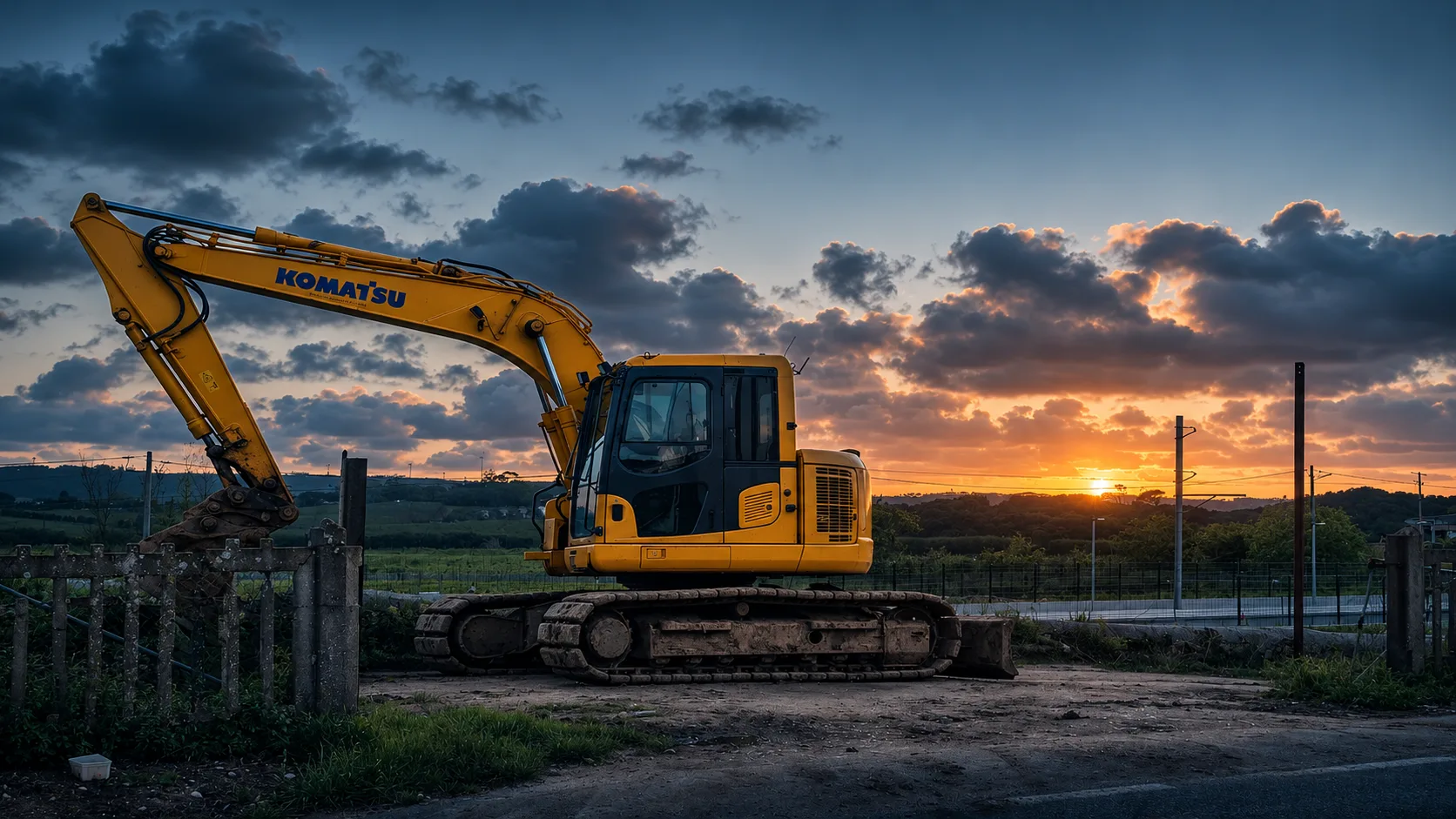
Funding paths we may explore.
- Chattel mortgage
- Finance lease
- Operating lease
- Capital raising or refinance against suitable assets
- Sale-and-buy-back structures where appropriate
The right structure and lender path depends on the client, transaction, documentation, security and lender appetite. No product or outcome is assumed before assessment.
What lenders look at.
Every scenario is assessed on its own facts. These are the questions that usually decide which paths are open.
- The asset
- Type, age, hours or kilometres, condition, and whether it is sold by a dealer or privately. Serial numbers and a clear invoice matter more than most buyers expect.
- How it earns
- Whether the equipment is tied to work already won, replaces an existing unit or expands capacity. A contract behind the purchase changes the conversation.
- The business
- Trading history, industry, ABN and GST registration period, and how the equipment fits what the business already operates.
- Deposit and equity
- Cash deposit, a trade-in, or equity in assets already owned. Options narrow when there is neither, but they do not always disappear.
- Existing commitments
- Current facilities, balloon payments falling due and any recent arrears. Disclosed early, these shape the structure. Found late, they stall it.
- Timing
- Settlement or delivery dates, end-of-financial-year timing and how long the supplier will hold the unit.
What to bring us.
- What the asset is, and the purchase price or invoice
- Whether it is a dealer or private sale, and the expected delivery date
- Who the buyer is — entity name, ABN and how long they've traded
- Deposit or trade-in, if any
- Existing equipment finance commitments
Partial information is fine for a first conversation. Client and company details can follow once the scenario has been sense-checked.
How SCF approaches the scenario.
We look at the asset, buyer, intended use, timing, deposit, cashflow and lender fit together.
For dealer and vendor introductions, the aim is to establish a credible funding path early enough to keep the equipment transaction moving.
How SCF works
Your Client. Your Relationship.
- 1
Bring us the scenario
You introduce the client or customer, or outline the commercial finance need.
- 2
Initial review
SCF assesses the situation, timing, structure and information available.
- 3
Funding path
We clarify what may be achievable, likely blockers, what's needed and the lender path to explore.
- 4
Lender engagement
SCF manages the lender conversations and documentation while keeping you informed.
- 5
Outcome and next step
Your client receives a clear outcome or next step, with your relationship kept central.
Questions partners ask.
What is a chattel mortgage?
A chattel mortgage is a loan to buy a business asset where the borrower owns the asset from the start and the lender takes a mortgage over it as security. It is the most common structure for business equipment purchases in Australia. Which structure suits depends on the buyer's accounting and tax position, so the decision belongs with their accountant.
What's the difference between a chattel mortgage and a finance lease?
Under a chattel mortgage the business owns the asset and the lender holds security over it. Under a finance lease the lender owns the asset and the business leases it for a term, with an agreed residual at the end. Ownership, balance-sheet treatment and GST timing differ, so the right choice depends on the client's circumstances and their accountant's advice.
Can finance be arranged for a private sale?
Often, yes, though lenders look more closely at private sales than dealer sales. Expect questions about the seller, a clear transfer of ownership, an inspection or valuation for older assets, and confirmation that any existing finance over the asset is paid out at settlement.
Can used or imported equipment be financed?
Frequently. Age, hours, condition, resale market and compliance all affect lender appetite, and older or specialised assets narrow the field of lenders rather than ruling finance out. Tell us the specifics early and we'll tell you where it realistically sits.
How is hire purchase different from a chattel mortgage?
Under a chattel mortgage the business owns the asset from the start and the lender holds security over it. Under hire purchase the financier owns the asset while the business makes payments, and ownership passes with the final payment. GST and tax treatment differ between the two, so the choice should be confirmed with the client's accountant.
Can GST be claimed on equipment bought with a chattel mortgage?
Generally, yes. Because the business owns the asset from the start, a GST-registered business can usually claim the GST in the purchase price as an input tax credit on its next BAS. Under a finance lease, GST is built into each rental instead. Eligibility depends on the business's own position, so confirm it with the accountant.
What is a balloon payment?
A balloon, or residual, is a lump sum left owing at the end of the finance term. It lowers the regular repayments, but it has to be paid out, refinanced or covered by trading the asset when it falls due. It works best when it's set against the asset's expected working life and resale value.
Is equipment finance tax deductible?
It depends on the structure. With a chattel mortgage the business usually claims the interest and depreciation on the asset; with a finance lease the rentals are generally deductible. Instant asset write-off thresholds change from year to year, so check the ATO's current rules and the client's accountant. SCF doesn't give tax advice.
Can a new business or new ABN get equipment finance?
Often, though fewer lenders will consider it. Lenders look for industry experience, a deposit or other security such as property, and a clear reason the asset will earn. A newly formed company run by experienced operators is assessed very differently from a genuine start-up, so the background matters.
What is low-doc equipment finance?
Low-doc finance is assessed on reduced paperwork, such as BAS statements, bank statements or an accountant's letter, instead of full financial statements. It suits established businesses whose latest financials aren't ready. Limits, conditions and pricing differ by lender, so we confirm what applies once we see the scenario.
Who usually brings this to SCF
Is a client about to commit to a machine before the finance is sorted?
Bring the deal in before the deposit is paid. We'll sense-check the asset, the buyer and the lender fit while there's still room to shape the structure.